

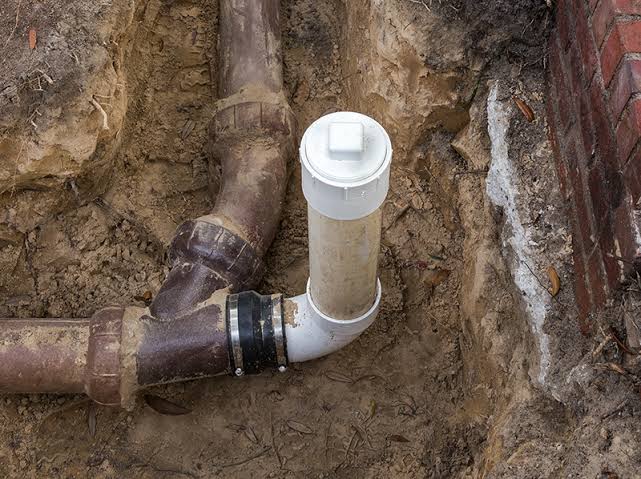
A sewer line blockage can quickly turn into a serious plumbing problem. Unlike a simple clogged sink or toilet, a main sewer line blockage can affect several drains throughout your home. If wastewater cannot flow through the main sewer line, you may notice slow drains, unpleasant odors, gurgling sounds, or even sewage backups.
At Poseidon Plumbing, we help homeowners identify sewer problems early and choose the right solution before a blockage causes expensive damage. Here is how to recognize a sewer line blockage and what you can do about it.
Signs of a Main Sewer Line Blockage
A sewer blockage often starts with small warning signs. Pay attention to these common symptoms:
1. Multiple Drains Drain Slowly
If your kitchen sink, bathroom sink, shower, and toilet all drain slowly at the same time, the problem may be deeper than an individual drain clog. A blockage in the main sewer line can restrict wastewater flow from multiple fixtures.
2. Toilets Gurgle When You Use Other Fixtures
Do you hear bubbling or gurgling from the toilet when you run the shower or flush another toilet? This can indicate trapped air in the sewer system. A partial blockage may prevent wastewater and air from moving normally through the pipe.
3. Sewage Backs Up Into Your Home
Sewage coming back through a shower drain, floor drain, or toilet is a major warning sign. Stop using water immediately and contact a professional plumber. Continued water use can make the backup worse.
4. Unpleasant Sewer Odors
A persistent sewage smell inside or around your property may indicate a damaged or blocked sewer pipe. Do not ignore the smell, especially when you notice other symptoms.
5. Frequent Toilet Clogs
A toilet that repeatedly clogs despite plunging may have a problem farther down the drainage system. If several toilets experience the same issue, you may need a sewer line clogged solution rather than another round of toilet plunging.
How to Prevent a Sewer Line Blockage
Good maintenance can reduce your risk of a major blockage. Follow these practical tips:
- Never flush wipes, paper towels, diapers, or feminine hygiene products.
- Keep cooking grease and oils out of your drains.
- Avoid putting coffee grounds and food scraps down the kitchen sink.
- Consider professional sewer inspections if your property has an older sewer line.
- Watch for recurring slow drains and address them early.
- Keep tree roots away from sewer lines when possible.
Proper prevention of sewer line blockage can help extend the life of your plumbing system and reduce emergency repair costs.
What Is the Best Chemical to Unclog a Sewer Line?
Many homeowners search for the best chemical to unclog sewer line problems. However, chemical drain cleaners are generally not the best choice for a main sewer line blockage.
Strong chemicals may fail to reach or remove a deep obstruction. They can also damage certain pipes and create a safety hazard for anyone who later works on the plumbing.
For a serious blockage, mechanical cleaning, hydro jetting, or professional drain equipment usually provides a more reliable approach. A plumber can determine which method suits the condition and material of your sewer line.
How to Unclog a Sewer Line From the Toilet
If your toilet is clogged, start with a quality toilet plunger. Create a firm seal around the drain opening and plunge several times. If the blockage remains, a toilet auger may help with a localized clog.
However, unclogging a sewer line from the toilet is different from clearing a simple toilet blockage. If multiple fixtures back up or the toilet repeatedly clogs, the obstruction may sit in the main sewer line.
In that situation, avoid repeatedly flushing the toilet. Contact a professional plumber to inspect the drainage system.
How to Clear a Sewer Line Blockage
A professional plumber may use several methods to clear a sewer line blockage, depending on the cause.
Drain snaking: A motorized auger can break through or remove certain obstructions.
Hydro jetting: High-pressure water can clean grease, sludge, and other buildup from the inside of sewer pipes.
Camera inspection: A sewer camera can identify roots, cracks, collapsed sections, and stubborn blockages without unnecessary excavation.
The right method depends on the location, severity, and cause of the blockage.
When You Need to Fix the Main Sewer Line
Cleaning may solve the problem when debris or buildup causes the blockage. However, cleaning will not permanently solve a damaged pipe.
You may need to fix the main sewer line if a camera inspection reveals:
- Cracked or broken pipes
- Collapsed sewer sections
- Severe corrosion
- Tree-root intrusion
- Misaligned pipe joints
- Repeated blockages
A professional assessment can determine whether cleaning, spot repair, pipe replacement, or another solution makes the most sense.
Sewer Line Clogged Solution: Call Poseidon Plumbing
A sewer blockage can become messy and expensive if you ignore the warning signs. Multiple slow drains, gurgling toilets, sewage odors, and wastewater backups often indicate that the problem goes beyond a single fixture.
If you suspect a main sewer line blockage, Poseidon Plumbing can help identify the cause and recommend an appropriate repair or cleaning method. Acting early can protect your plumbing system and prevent further damage.
FAQs About Sewer Line Blockages
How do I know if my main sewer line is clogged?
Multiple slow drains, gurgling toilets, sewage backups, foul odors, and recurring toilet clogs can indicate a main sewer line blockage.
Can I use chemical drain cleaner for a sewer blockage?
Chemical cleaners are usually not the best option for a main sewer line. A professional plumber can use appropriate mechanical cleaning or hydro jetting equipment.
Can a toilet clog cause a sewer line blockage?
A toilet clog usually affects one fixture. However, if multiple fixtures back up or drain slowly, the blockage may be in the main sewer line.
How often should I clean my sewer line?
There is no universal schedule. Older plumbing systems or properties with recurring blockages may benefit from periodic professional inspections and cleaning.
What is the fastest way to clear a sewer line blockage?
The fastest method depends on the cause. Professional drain equipment, sewer augers, or hydro jetting can clear many blockages efficiently after proper inspection.
Should I keep using water when my sewer line is clogged?
No. If wastewater is backing up, stop using sinks, showers, washing machines, and toilets until a plumber evaluates the problem. Continued water use can worsen the backup.