

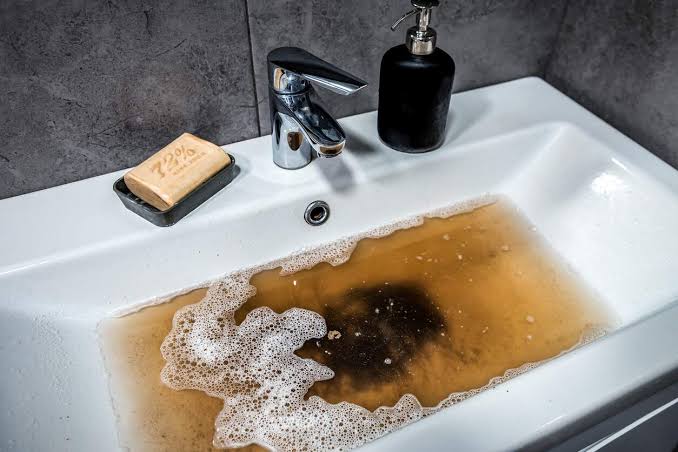
Is your bathroom sink constantly clogging, even after you’ve cleaned it? A clogged bathroom sink can be frustrating, especially when water takes too long to drain or starts collecting in the basin. While an occasional clog is common, frequent blockages may indicate a deeper plumbing problem.
So, why does your bathroom sink keep clogging? The most common reasons include hair buildup, soap scum, toothpaste residue, mineral deposits, and debris trapped inside the drain. In some cases, the problem may be caused by a blocked P-trap or an issue deeper in your plumbing system.
Understanding what’s causing the blockage can help you prevent recurring clogs and avoid unnecessary plumbing repairs.
At Poseidon Plumbing, we help homeowners diagnose and resolve stubborn drain problems with professional drain cleaning services. Here’s what you need to know about bathroom sink clogs and how to prevent them.
7 Common Reasons Your Bathroom Sink Keeps Clogging
If your bathroom sink keeps getting clogged, one or more of the following issues may be responsible.
1. Hair Buildup in the Drain
Hair is one of the most common causes of bathroom sink clogs. When you wash your face, brush your hair, or shave over the sink, loose strands can enter the drain.
Over time, hair collects inside the drainpipe and combines with soap residue and other debris. This creates a blockage that prevents water from flowing freely.
Signs of hair buildup include:
- Water draining more slowly than usual.
- Water collecting around the sink drain.
- Repeated clogs even after removing visible debris.
To prevent hair-related clogs, regularly clean the sink stopper and consider installing a drain hair catcher.
2. Soap Scum and Toothpaste Residue
Soap and toothpaste may seem harmless, but they can contribute to stubborn bathroom sink clogs.
Soap residue can combine with minerals in hard water to form a sticky buildup inside your pipes. Toothpaste can also leave behind residue that traps hair and other debris.
As this buildup accumulates, the opening inside your drainpipe becomes narrower, making it harder for water to pass through.
How to prevent it: Rinse your sink with warm water after use and clean the drain stopper regularly. Avoid pouring large amounts of thick products directly into the drain.
3. Mineral Buildup From Hard Water
Hard water contains dissolved minerals, particularly calcium and magnesium. When water passes through your plumbing system, these minerals can gradually accumulate inside pipes.
Over time, mineral deposits can restrict water flow and make your bathroom sink more susceptible to clogs.
Hard water buildup is particularly troublesome when combined with soap scum and other debris.
Common signs include:
- White or chalky deposits around the faucet.
- Reduced water drainage.
- Frequent clogs despite regular cleaning.
If mineral buildup is contributing to recurring blockages, professional drain cleaning may help restore proper water flow.
4. A Clogged P-Trap
The P-trap is the curved pipe located underneath your bathroom sink. It holds a small amount of water to prevent sewer gases from entering your home.
However, its curved design also makes it a common place for hair, soap scum, toothpaste, and other debris to collect.
When too much debris accumulates inside the P-trap, water cannot drain properly.
If your bathroom sink is clogged but other drains are working normally, the P-trap may be the source of the problem.
Cleaning the P-trap can sometimes resolve the issue. However, if you’re unfamiliar with plumbing repairs, it’s best to have a professional inspect it.
5. Foreign Objects Stuck in the Drain
Small objects can accidentally fall into bathroom sinks and cause blockages. Common examples include cotton swabs, dental floss, small pieces of plastic, and other bathroom debris.
These objects may become lodged inside the drain or get caught in existing hair and soap buildup.
Unlike loose debris, foreign objects may not dissolve or wash away easily. Trying to force them down the drain can make the blockage worse.
Use a suitable drain tool to remove accessible objects or contact a plumber if the obstruction is difficult to reach.
6. A Blocked or Damaged Drainpipe
Sometimes, the problem isn’t limited to the sink stopper or P-trap. Debris can accumulate farther down the drainpipe, restricting water flow.
Older or damaged pipes may also develop corrosion, rough interior surfaces, or other obstructions that encourage debris to collect.
If your bathroom sink keeps clogging shortly after cleaning, the blockage may be deeper inside the plumbing system.
A professional plumber can inspect the drain and determine whether it needs cleaning or repair.
7. Improper Drain Installation or Plumbing Issues
If your bathroom sink has been clogging since installation, the problem may be related to the drain configuration.
Incorrect pipe slope, poorly connected drain components, or unsuitable pipe fittings can interfere with proper drainage.
In some cases, recurring clogs may also be associated with ventilation problems in the plumbing system.
A plumber can inspect the drain assembly and identify whether an installation or plumbing issue is contributing to the repeated blockages.
How to Unclog a Bathroom Sink
If your bathroom sink is clogged, you can try a few simple methods before calling a plumber.
1. Remove and clean the sink stopper
Hair and soap scum frequently collect around the stopper. Remove it if your sink design allows, clean away the accumulated debris, and reinstall it properly.
2. Use a sink plunger
A small sink plunger can help dislodge minor blockages. Make sure there’s enough water in the basin to cover the plunger’s cup. Seal any overflow opening with a damp cloth, then plunge gently several times.
3. Try a drain snake
A small hand-operated drain snake can remove hair and other debris trapped inside the drainpipe. Insert it carefully and follow the manufacturer’s instructions to avoid damaging the pipes.
4. Flush with warm water
For minor soap residue, flushing the drain with warm water may help loosen some buildup. Avoid boiling water, particularly if your plumbing contains PVC components or you are unsure of the pipe material.
5. Avoid excessive chemical drain cleaners
Chemical drain cleaners can damage certain plumbing materials and may create safety hazards, especially if mixed with other cleaning products. Follow product warnings and avoid repeatedly using them to address the same clog.
If these methods don’t work or the sink keeps clogging, a professional drain inspection can help identify the underlying problem.
How to Prevent Your Bathroom Sink From Clogging Again
Preventing bathroom sink clogs is usually easier than dealing with repeated blockages. A few simple maintenance habits can help keep your drain flowing smoothly.
- Clean the drain stopper regularly: Remove accumulated hair, soap, and debris before they enter the drainpipe.
- Use a drain strainer: A suitable strainer can catch hair and other debris before they cause blockages.
- Avoid pouring thick products down the sink: Dispose of excess toothpaste, skincare products, and other thick substances appropriately.
- Flush the drain periodically: Use warm water to help wash away loose residue.
- Schedule professional drain cleaning when needed: If your sink frequently drains slowly, professional cleaning can remove stubborn buildup.
Regular maintenance can reduce the risk of recurring clogs and help keep your bathroom plumbing in good condition.
When Should You Call a Professional Plumber?
Some bathroom sink clogs are easy to resolve, but recurring blockages may indicate a more serious issue.
Consider contacting a professional plumber if:
- Your bathroom sink keeps clogging after repeated cleaning.
- Water drains very slowly or stops draining completely.
- You notice unpleasant odors coming from the drain.
- Water backs up into the sink when another fixture is used.
- You hear gurgling sounds coming from the drain.
- Multiple drains in your home are clogged at the same time.
These symptoms can indicate a deeper blockage or another plumbing problem that requires professional attention.
A plumber can inspect the drain, identify the cause, and recommend the appropriate solution instead of relying on temporary fixes.
Professional Bathroom Sink Drain Cleaning by Poseidon Plumbing
A bathroom sink that keeps clogging can disrupt your daily routine and become a recurring headache. If you’ve tried cleaning the drain but the problem keeps returning, professional assistance may be necessary.
Poseidon Plumbing provides professional drain cleaning services in Brighton, CO, and surrounding areas. Our team handles common drain problems caused by hair, grease, soap buildup, mineral deposits, and other debris.
We use professional equipment to diagnose and clear stubborn blockages and help restore proper drainage. Our goal is to identify the cause of the problem and provide a suitable, long-lasting solution.
Whether you’re dealing with a slow-draining bathroom sink or a stubborn recurring clog, our plumbing professionals are ready to help.
Contact Poseidon Plumbing today at (720) 585-4428 to schedule your drain cleaning service.
Frequently Asked Questions (FAQs)
1. Why does my bathroom sink keep clogging even after I clean it?
Your bathroom sink may keep clogging because debris remains deeper inside the drainpipe. Hair, soap scum, mineral deposits, and other buildup can cause recurring blockages. If cleaning the stopper doesn’t solve the problem, the P-trap or drainpipe may need professional cleaning.
2. What is the most common cause of bathroom sink clogs?
Hair and soap scum are among the most common causes of bathroom sink clogs. They combine with toothpaste, dirt, and other debris to form blockages inside the drainpipe.
3. How do I stop my bathroom sink from clogging?
Clean the sink stopper regularly, use a drain strainer to catch hair, and avoid washing debris down the drain. Periodically flushing the drain with warm water may also help reduce loose residue. If clogs keep returning, consider professional drain cleaning.
4. Why is my bathroom sink draining slowly but not completely clogged?
A slow-draining bathroom sink often indicates a partial blockage. Hair, soap scum, toothpaste residue, or mineral deposits may be restricting water flow. Cleaning the stopper or using a small drain snake may help clear minor obstructions.
5. Can I use baking soda and vinegar to unclog my bathroom sink?
Baking soda and vinegar may help loosen some light residue, but they are not reliable solutions for substantial clogs caused by hair or solid objects. For stubborn blockages, mechanical cleaning or professional drain cleaning may be necessary.
6. How often should I clean my bathroom sink drain?
Clean your sink stopper and remove visible debris at least once a week. The frequency of deeper drain cleaning depends on how heavily the sink is used and whether it develops recurring clogs.
7. When should I call a plumber for a clogged bathroom sink?
Call a plumber if your sink repeatedly clogs, stops draining, produces unpleasant odors, or backs up despite your attempts to clear it. Multiple clogged drains or gurgling sounds may indicate a larger plumbing problem.
8. Can a clogged bathroom sink damage my plumbing?
A simple clog doesn’t necessarily damage your plumbing. However, repeated blockages, improper use of chemical drain cleaners, and ignored leaks can contribute to plumbing problems. Address recurring clogs promptly to help prevent further complications.
9. How do professional plumbers clear stubborn bathroom sink clogs?
Professional plumbers may use drain snakes, specialized cleaning equipment, and inspection tools to locate and remove stubborn blockages. The method depends on the clog’s location, severity, and cause.
10. Does Poseidon Plumbing offer professional drain cleaning?
Yes. Poseidon Plumbing provides professional drain cleaning services in Brighton, CO, and surrounding areas. Our team can help diagnose recurring sink clogs and recommend appropriate solutions. Call (720) 585-4428 to schedule an appointment.
Final Thoughts
If your bathroom sink keeps clogging, the problem may be caused by hair, soap scum, mineral deposits, or a blockage deeper inside your plumbing system. Identifying the cause is essential to preventing recurring problems.
Regular drain maintenance and good bathroom habits can help reduce the risk of clogs. However, persistent blockages may require professional attention.
If you’re experiencing recurring bathroom sink clogs, Poseidon Plumbing is here to help. Contact our team for professional drain cleaning services and get your bathroom sink draining properly again.
Call Poseidon Plumbing at (720) 585-4428 to schedule your service today.