

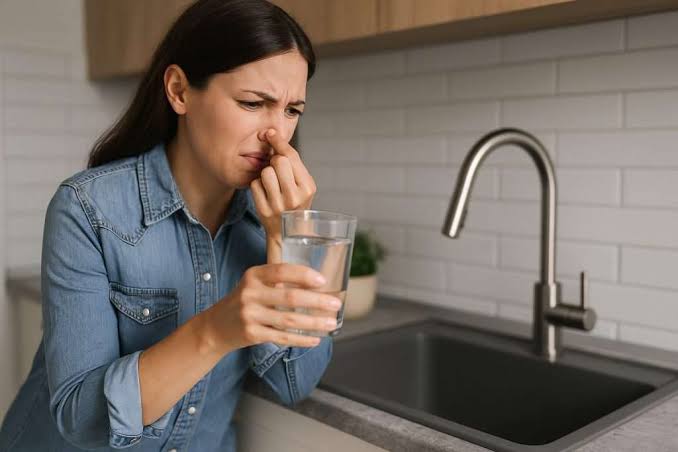
Have you ever turned on your faucet and noticed that your tap water smells bad? An unusual odor coming from your water can be unpleasant and may leave you wondering whether there is a problem with your plumbing, water heater, or water supply.
The good news is that a strange smell doesn’t always mean there is a serious plumbing emergency. Smelly tap water can have several causes, including bacteria, minerals, drain odors, water heater problems, or issues with your home’s plumbing.
Understanding what the odor smells like and when you notice it can help identify the potential source.
At Poseidon Plumbing, we help homeowners identify and address plumbing and water-related problems. Here’s what may be causing the smell coming from your faucet.
Common Causes of Bad-Smelling Tap Water
1. Your Water Smells Like Rotten Eggs
One of the most recognizable water odors is a rotten egg or sulfur smell.
This odor is commonly associated with hydrogen sulfide. It can occur naturally in some water supplies or develop because of bacteria interacting with plumbing components.
If the smell is present only when using hot water, your water heater may be the source.
A professional plumber can inspect the system and determine whether the odor is coming from the water supply, water heater, or plumbing.
2. Your Water Heater May Be the Problem
If your cold water smells normal but your hot tap water smells bad, the water heater should be one of the first things to investigate.
Bacteria can sometimes interact with components inside a water heater and produce an unpleasant sulfur-like odor. Sediment accumulation can also contribute to water quality and heater performance issues.
Regular water heater maintenance can help identify developing problems and keep the system operating properly.
3. Bacteria in the Plumbing System
Certain bacteria can contribute to unpleasant odors in water.
This doesn’t necessarily mean your water is unsafe, but an unexplained or persistent odor should not be ignored. If the smell affects multiple faucets, homeowners should consider having their water and plumbing system evaluated.
If you’re concerned about water safety, testing through an appropriate certified laboratory or local water authority can provide more useful information than relying on smell alone.
4. A Dirty or Dry Drain
Sometimes the water itself isn’t the source of the odor.
Organic material, bacteria, and buildup can accumulate inside a sink drain. When you turn on the faucet, odors from the drain can become noticeable and may make it seem as though the tap water smells bad.
An easy way to investigate is to fill a clean glass with cold water and step away from the sink before smelling it.
If the water smells normal away from the drain, the sink drain may be responsible.
5. Old or Corroded Plumbing Pipes
Older plumbing systems may contain pipes or fittings that have deteriorated over time.
Corrosion and buildup inside pipes can affect the smell, taste, and appearance of water. In some situations, replacing deteriorated plumbing components may be necessary.
If the odor is accompanied by discolored water, leaks, low water pressure, or recurring plumbing problems, have the system inspected by a professional plumber.
6. Your Water Supply May Be the Source
If the smell occurs at every faucet in your home, the issue may not be limited to one fixture.
Your home’s water supply can sometimes contain naturally occurring minerals or compounds that affect odor. Municipal water systems may also perform maintenance or disinfection procedures that temporarily alter water characteristics.
If you’re on a private well, water quality can also change over time. Regular well-water testing is particularly important for identifying contaminants that cannot be detected by smell alone.
How to Find Out Where the Smell Is Coming From
Before assuming you need major plumbing repairs, try to determine where the odor originates.
Check cold and hot water separately
Run cold water for a few seconds and smell it. Then test hot water.
- Only hot water smells: The water heater may be involved.
- Both hot and cold water smell: The issue may involve the water supply or plumbing.
- Only one faucet smells: The fixture or nearby drain may be responsible.
Check multiple faucets
Turn on faucets throughout your home.
If the odor is isolated to one sink, the problem may be localized. If every faucet has the same odor, the source could be farther upstream.
Inspect the sink drain
A dirty drain can produce strong odors that are easily mistaken for a water-quality problem.
If you’re still unsure about the source, a professional plumbing inspection can help identify the cause.
How Can You Get Rid of Bad-Smelling Tap Water?
The right solution depends on what’s causing the odor.
Possible solutions may include:
- Cleaning or servicing the water heater.
- Cleaning a contaminated or buildup-prone drain.
- Repairing or replacing damaged plumbing components.
- Flushing plumbing lines when appropriate.
- Testing private well water.
- Installing an appropriate water filtration or treatment system when testing identifies a treatment need.
Avoid simply masking the smell with air fresheners or repeatedly using household chemicals. The goal should be to identify the underlying source.
When Should You Call a Plumber?
A temporary odor may not require emergency plumbing service, but persistent or unexplained smells deserve attention.
Contact a professional plumber if:
- Your tap water consistently smells bad.
- The odor suddenly appears throughout your home.
- You notice rusty, cloudy, or discolored water.
- The smell is accompanied by leaks or reduced water pressure.
- Your hot water smells but cold water does not.
- You have recurring water heater problems.
- You’re unsure whether the odor is coming from your drain or water supply.
If you have concerns about whether your water is safe to drink, contact your water provider or arrange appropriate water testing.
Get Help With Plumbing Problems From Poseidon Plumbing
Bad-smelling tap water can originate from something as simple as a dirty drain or may indicate a water heater or plumbing issue that needs professional attention.
Poseidon Plumbing can help homeowners identify plumbing problems and determine the appropriate next step. Whether you’re dealing with water heater concerns, plumbing repairs, or other residential plumbing issues, professional diagnosis can help prevent small problems from becoming larger ones.
If your tap water has developed a persistent or unusual odor, contact Poseidon Plumbing to discuss your plumbing concerns.
Frequently Asked Questions About Smelly Tap Water
Why does my tap water smell bad?
Bad-smelling tap water can be caused by bacteria, sulfur compounds, water heater issues, plumbing corrosion, mineral buildup, or odors coming from the sink drain. The source depends on whether the odor affects hot water, cold water, one faucet, or the entire home.
Why does my water smell like rotten eggs?
A rotten egg smell is commonly associated with hydrogen sulfide or sulfur-producing bacteria. If the odor occurs only in hot water, your water heater may be involved. If it occurs in both hot and cold water, the source may be the water supply or plumbing.
Why does only my hot water smell bad?
If cold water smells normal but hot water has a sulfur-like odor, bacteria or conditions inside the water heater may be contributing to the problem. A professional can inspect the water heater and recommend an appropriate solution.
Why does my bathroom sink water smell bad?
The odor may actually be coming from the sink drain rather than the water. Hair, soap residue, organic material, and bacteria can accumulate inside drains and create unpleasant smells.
Is smelly tap water safe to drink?
An odor alone cannot determine whether water is safe to drink. If your water suddenly develops an unusual smell, especially when accompanied by discoloration or other changes, contact your water provider or have the water tested by a qualified laboratory.
Can old pipes make tap water smell bad?
Yes. Deteriorated or corroded plumbing can contribute to changes in water taste, odor, or appearance. If your home has older plumbing and persistent water-quality concerns, a professional inspection may help identify the source.
How do I stop my tap water from smelling?
The solution depends on the cause. Cleaning a drain, servicing a water heater, repairing plumbing, or installing an appropriate water-treatment system may resolve the problem. Identifying the source should come before choosing a treatment.
When should I call a plumber about smelly water?
Call a plumber when the odor is persistent, affects multiple fixtures, is accompanied by plumbing problems, or appears to be connected to your water heater or plumbing system.
Final Thoughts
If you’ve been asking, “Why does my tap water smell bad?”, don’t automatically assume that you need a major plumbing repair. The smell could come from your sink drain, water heater, plumbing pipes, or water supply.
Pay attention to what the water smells like, whether the odor affects hot or cold water, and whether it occurs at one faucet or throughout your home. These clues can help narrow down the source.
For persistent plumbing and water-related problems, Poseidon Plumbing can help identify the issue and determine the appropriate solution for your home.